
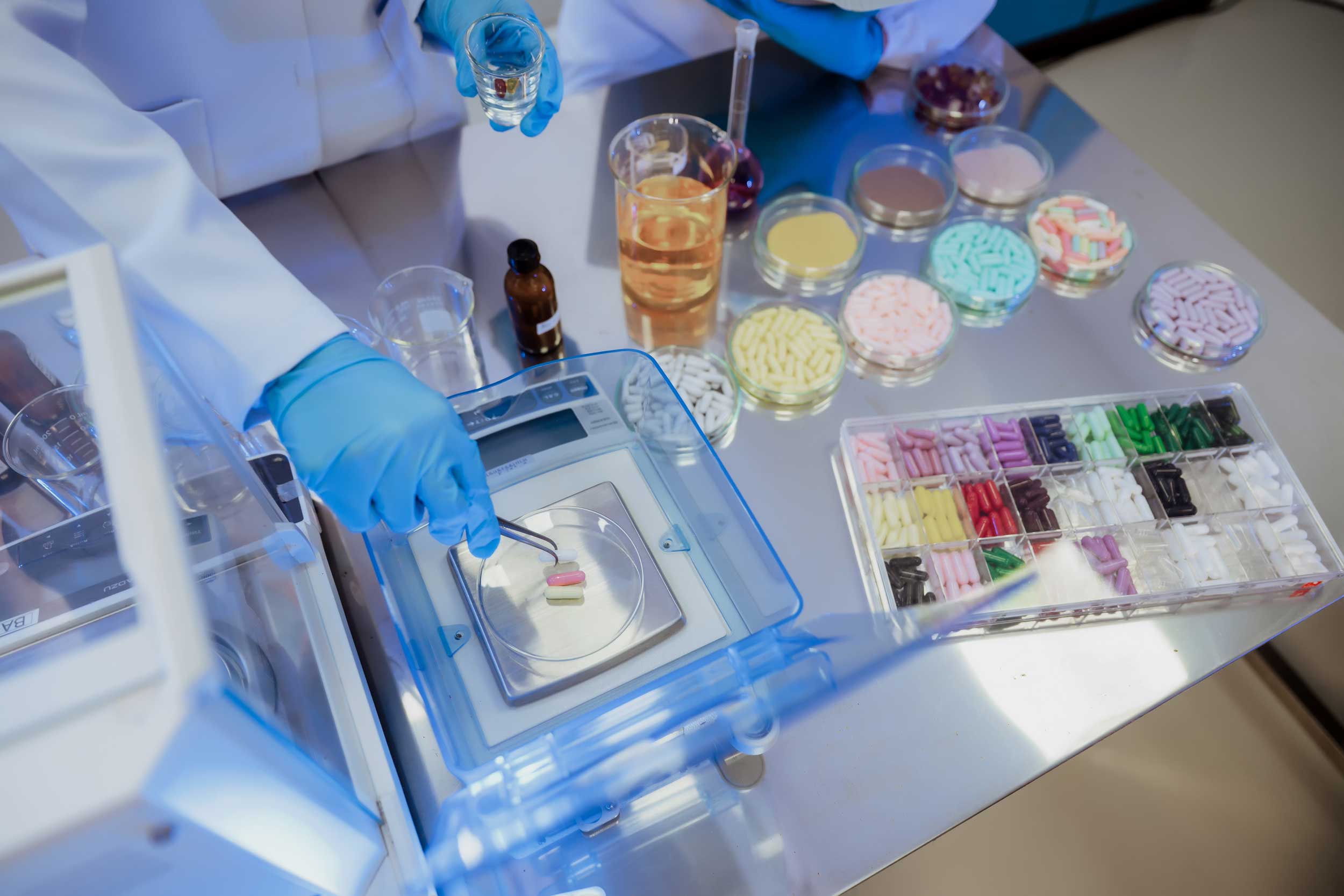
Dietary supplement microbial testing helps a quality team evaluate a sample against defined microbiological specifications. A useful request identifies the product form, organisms or counts to be measured, required methods, and how the results will be reviewed.
For brands and contract manufacturers, the goal is to build a repeatable testing process. Sending a bottle with a request to “test everything” leaves important decisions unresolved.
Start with the product specification
Before requesting a quote, assemble the specifications your quality team uses for the ingredient or finished product. Separate microbial requirements from identity, potency, composition, and other testing needs. A microbiology report addresses the analyses ordered; it does not establish every aspect of product quality.
FDA’s dietary supplement manufacturing guidance discusses specifications, appropriate scientifically valid methods, and quality control review. Your quality team should determine the requirements that apply to your operation and intended use of the results.
Distinguish counts from specified-organism testing
A microbial count reports the amount of an organism group recovered under the test conditions. Testing for specified microorganisms addresses a different question: whether a particular organism is detected in the amount examined using the selected method.
Daane Labs’ dietary supplement testing services include options for total aerobic plate count, yeast and mold, and selected microorganisms. Share your required panel so the lab can confirm the appropriate method and scope for your sample.
Explain the formulation before routine testing begins
A capsule, oil-based liquid, botanical powder, and gummy should not be treated as interchangeable samples. Give the lab the formulation information relevant to testing, including ingredients that could interfere with microbial recovery.
Method suitability or preparatory testing evaluates whether the selected approach can recover the target microorganisms in the presence of the product. Discuss the need for this work when introducing a formulation or making a meaningful change.
A practical checklist for a supplement testing quote
- Product name, dosage form, and whether the sample is a component or finished product.
- Lot identification and the stage of production represented.
- Requested counts or organisms, methods, units, and specifications.
- Relevant formulation details and any previous suitability information.
- Expected submission frequency and number of products.
- Reporting contacts, document requirements, and your decision deadline.
Ask the lab to confirm sample quantity, shipping and handling, pricing, and turnaround before sending the project. Keep the approved request with your quality records so repeat orders remain consistent.
Questions to settle before using the report
Does a passing microbial result approve a supplement for sale?
No. It addresses the specified tests on the submitted sample. Your quality team must consider the other requirements and records relevant to the product and its release.
Should the testing plan change when the product changes?
Review the plan with the lab when the formula, supplier, process, package, or intended use changes. Explain the change rather than assuming a previous approach still fits.
Talk through your testing program
From its Naples, Florida laboratory, Daane Labs works with supplement brands and manufacturers across the United States. Contact the Quality Control team with your product and specifications, or call 239-227-4735. Ask which analyses and accredited methods apply to your project before submission.
Related Quality Control articles
Shelf-Life Testing for Food Products: What to Plan Before You Start