After water damage, a mold test is one possible part of an investigation. The first questions concern where the water came from, what became wet, and whether the moisture problem has been corrected. A laboratory result cannot answer those building questions on its own.
For property owners, home inspectors, and mold assessors in Naples, Fort Myers, Bonita Springs, and the surrounding Southwest Florida area, it helps to separate the property assessment from the laboratory analysis.
Start with the water and building history
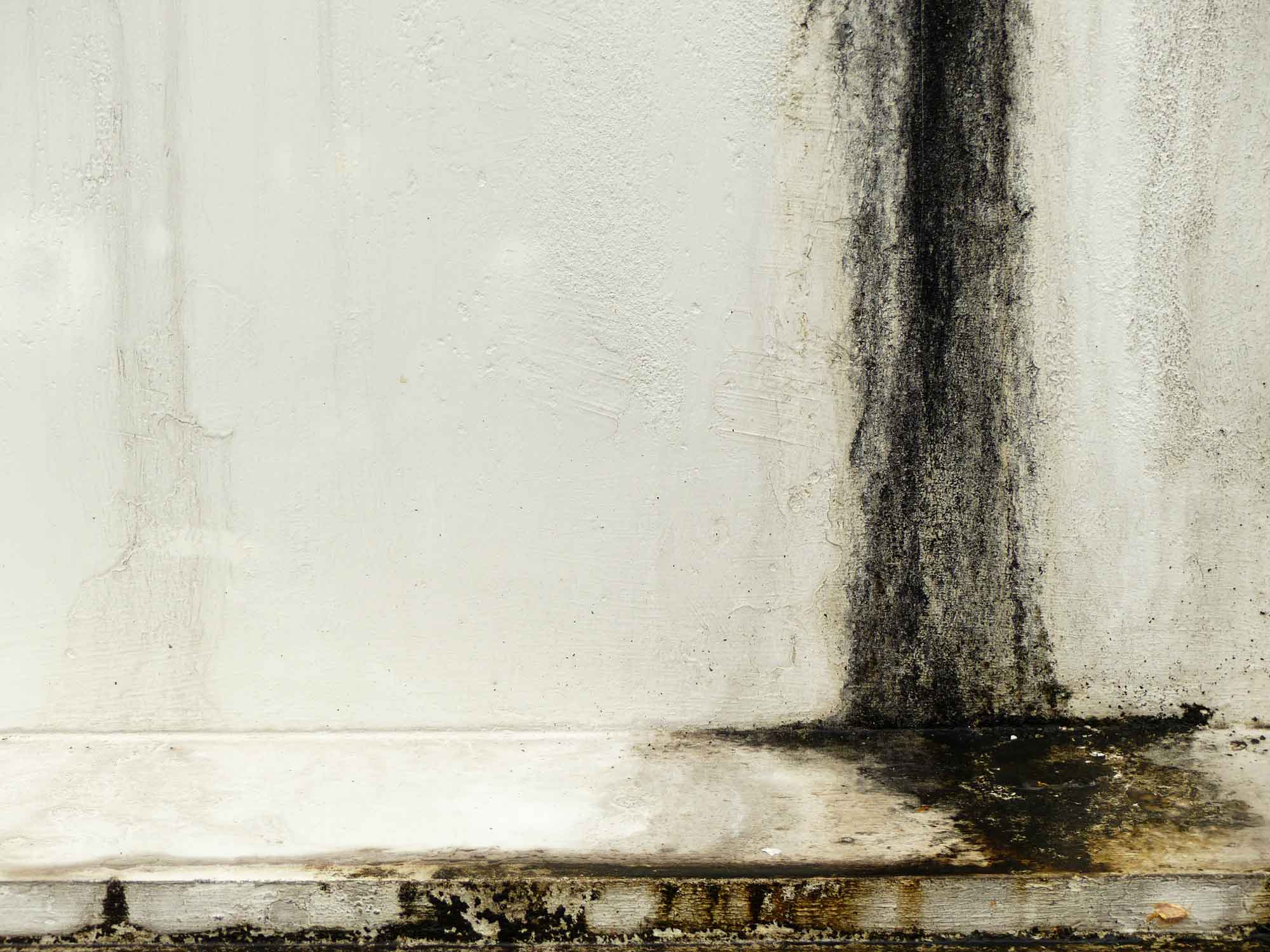
Document the leak or water event, affected rooms and materials, when it was discovered, and what drying or repairs have occurred. Photographs and moisture observations help the professional understand which areas need further attention.
EPA’s mold and moisture guidance emphasizes correcting the water problem and promptly drying water-damaged materials. Waiting for a mold report should not postpone addressing an active moisture source through appropriate professional help.
Ask what sampling would add
Testing should have a defined purpose within the assessment. Depending on the project, an assessor may need laboratory identification of material collected from a suspect area or analysis of targeted environmental samples. The sampling plan should explain how the result will inform the work.
Visible growth and moisture damage can already provide important evidence. EPA explains that sampling is often unnecessary when visible mold is present. Do not assume every leak requires a test, or that a particular number of samples is right for every property.
Understand what the laboratory report covers
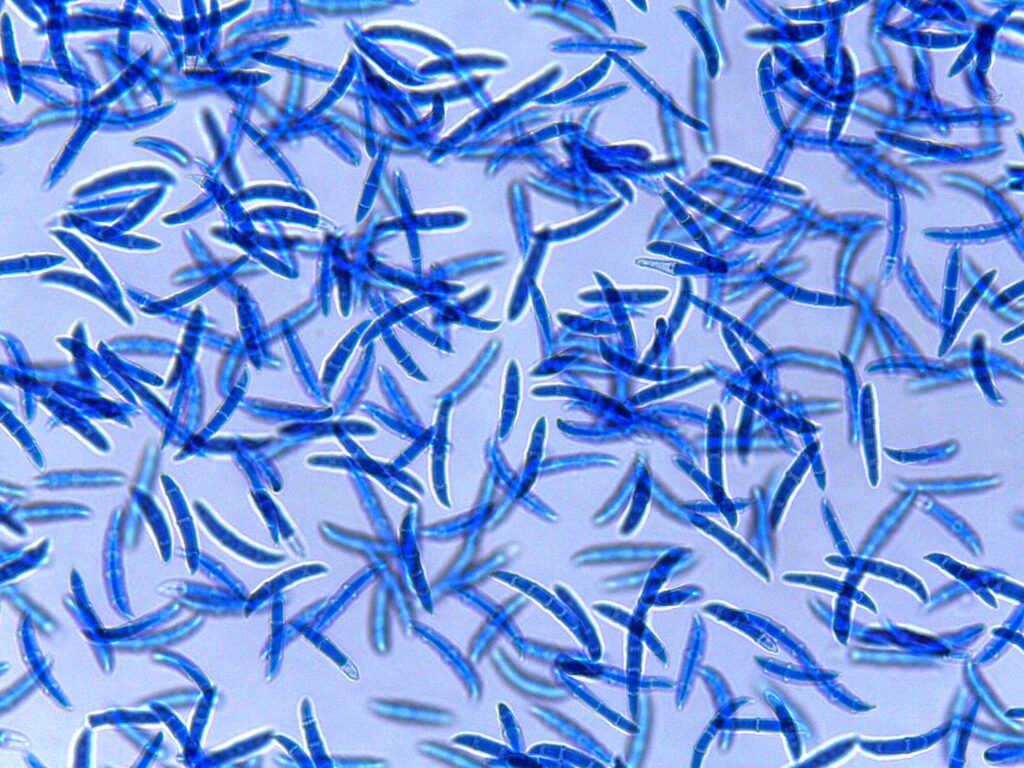
The lab examines the samples submitted using the requested methods. The assessor connects those findings with the building observations, collection locations, and project history. Air, surface, and bulk samples describe different material and should be interpreted accordingly.
NIOSH cautions that short-term air sample findings may not represent actual exposures. A low count does not prove that hidden materials are dry or that there is no remaining growth.
Questions to ask the professional managing the project
- Has the moisture source been identified, and what evidence shows it has been corrected?
- Which areas and materials were inspected, and what could not be accessed?
- What question will each proposed sample answer?
- How will collection details, photos, and laboratory findings be documented together?
- If follow-up assessment is needed, what conditions and project criteria will be evaluated?
These questions keep the discussion focused on the property rather than a single number in a report. Medical questions belong with a healthcare professional; a building sample does not diagnose the cause of an individual’s symptoms.
Two common misconceptions
Does a mold test certify that the property is safe?
No. There is no universal federal airborne mold threshold that turns a report into a property-wide safety certificate. An assessment must consider the purpose and limits of the evidence.
Does Daane Labs repair water damage or remove mold?
Daane Labs’ role is laboratory testing of submitted samples. Property inspection, moisture investigation, and remediation are separate services performed by the professionals managing the site.
Independent laboratory analysis in Naples
Daane Labs supports inspectors and mold assessors with mold testing and analysis. Review the laboratory services for inspectors, then contact the lab at 239-227-4735 to discuss accepted samples, analysis, delivery, and reporting for your Southwest Florida project.
Related Indoor Air Quality articles
Browse all testing articles · All Indoor Air Quality articles
Mold Sample Chain of Custody: A Checklist for Inspectors