Mold air testing and surface testing examine different parts of an investigation. An air sample collects material suspended in the air during a defined collection period. A surface sample examines material collected from a selected location. Neither describes every condition in a building.
For home inspectors and mold assessors, choosing the sample starts with the question the investigation needs to answer. Laboratory analysis supports that investigation; it does not replace the site assessment.
What an air sample can show
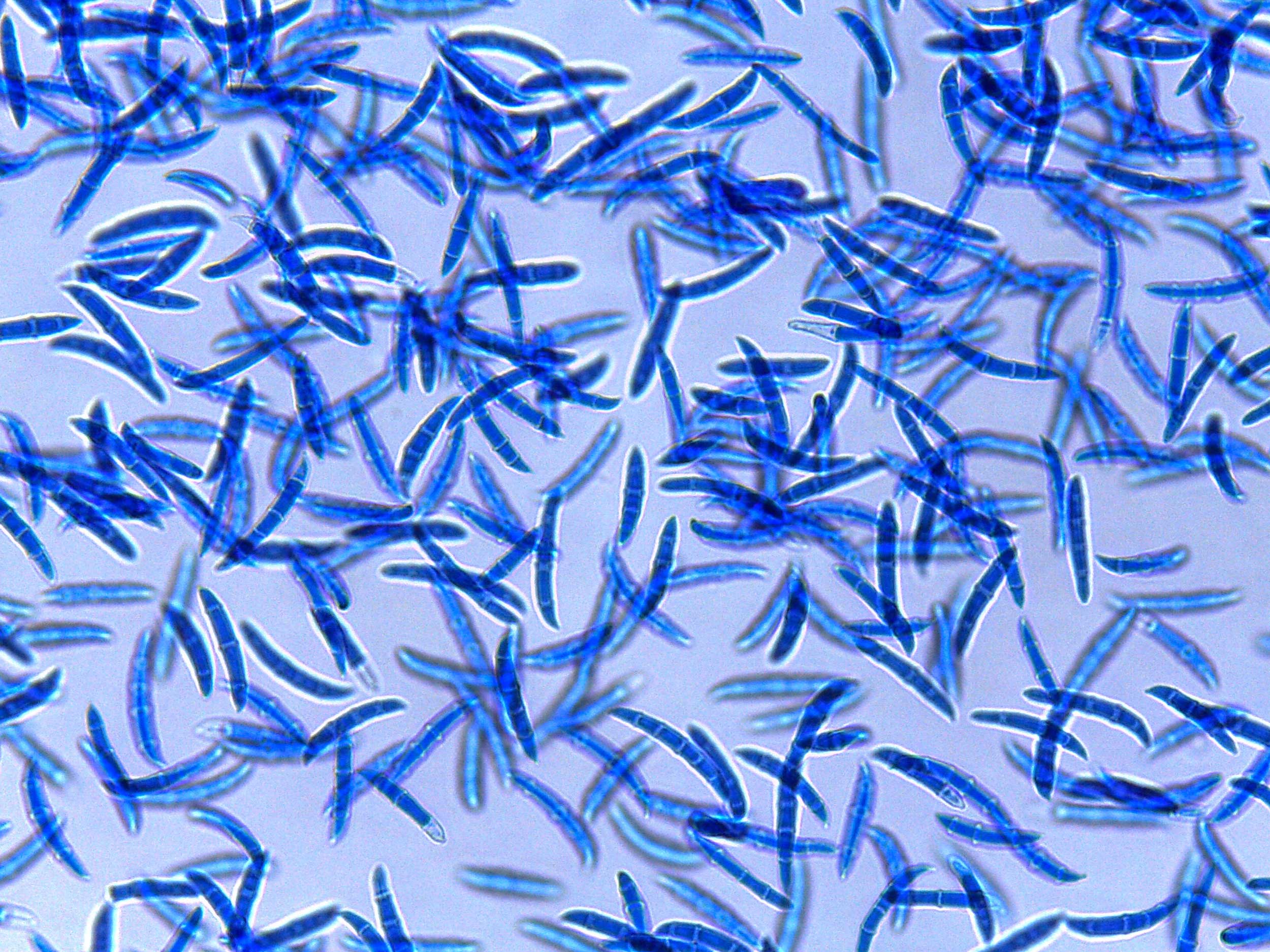
Spore-trap analysis examines particles captured by the collection device. The laboratory can report the fungal categories observed and the quantities calculated using the submitted collection information. Sample location, collection duration, air volume, and conditions at the time matter when interpreting that result.
A brief sample is a snapshot. A low or negative finding does not rule out a moisture problem or hidden growth. NIOSH explains the limitations of short-term mold air sampling and does not recommend routine air sampling as part of building air quality evaluations.
What a surface sample can show
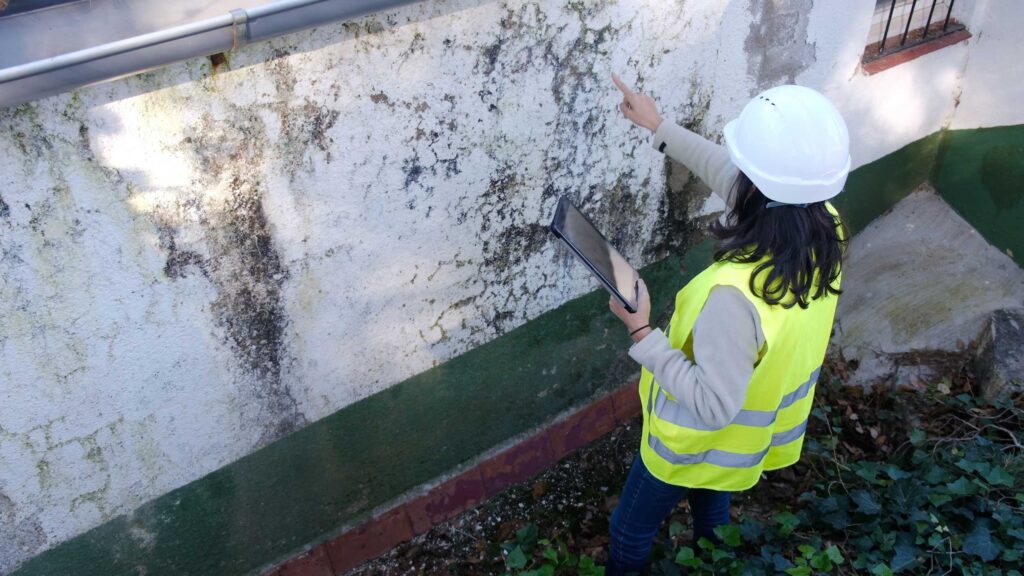
Tape lifts, swabs, and bulk materials can be used to examine a particular suspect area, depending on the collection material and analysis requested. A result from one wall or surface should be tied to that location. It should not be treated as a measurement of airborne exposure throughout the property.
Collection materials and techniques affect what reaches the microscope. Review the lab’s surface sampling article and confirm the accepted media before collecting a new sample type.
Choose sampling to answer a defined question
Before collecting, the assessor should establish the purpose of the work and the evidence needed. Useful questions include:
- Are we examining material at a specific suspect surface, or particles captured from the air?
- What observations and moisture findings prompted this sample?
- What comparison or reference information is appropriate for this investigation?
- How will the collection method and location be documented?
- How will the result affect the next project decision?
EPA notes that visible mold often does not require sampling and that there are no federal airborne mold limits against which a sample can establish compliance. More samples are not automatically more useful; they need a reason within the assessment.
Keep the interpretation tied to the building
Provide the professional interpreting the report with sample locations, collection details, photographs, moisture observations, and relevant building history. Do not compare values from different methods as if their units and collection conditions were equivalent.
Does either test certify a building as mold-free?
No. Laboratory findings describe the submitted samples under the selected methods. They do not establish a universal safe or unsafe score or certify every space in the building.
Does Daane Labs perform the property inspection?
Daane Labs provides laboratory analysis of submitted samples. The inspector or assessor manages the site investigation and places those findings in context.
Laboratory support for Florida inspectors
Daane Labs is based in Naples and works with inspectors and mold assessors in Southwest Florida and beyond. Explore mold testing and analysis or contact the lab at 239-227-4735 to confirm the analysis, collection media, sample requirements, and reporting schedule for your project.
Related Indoor Air Quality articles
Browse all testing articles · All Indoor Air Quality articles
Mold Testing After Water Damage in Southwest Florida: What to Know